
The Slump
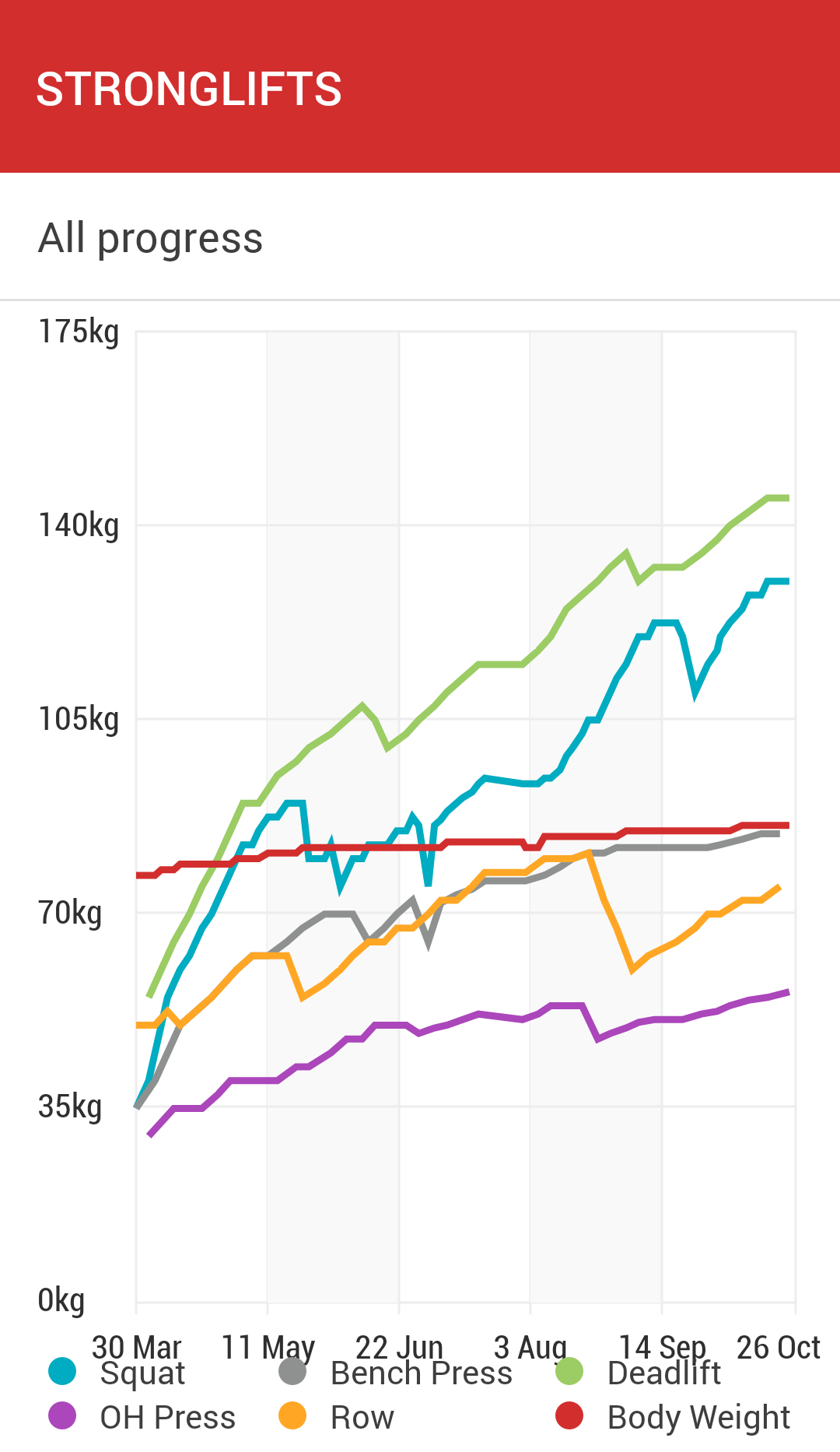
If you’ve been lifting consistently for about six months, you’ve probably experienced it.
The beginner gains slow down. The weights stop moving up. Your physique looks… the same.
This is one of the most common phases in strength training — and it’s exactly where most lifters quit.
But the plateau isn’t random. It happens for specific, predictable reasons.
Let’s break down why most lifters stall after six months — and how to fix it.
------------------------------------------------------------------------
1. The “Beginner Gains” Phase Is Over
In the first 3–6 months, almost everything works.
Your body is: - Learning new movement patterns - Adapting quickly to resistance - Building neural efficiency
Strength jumps happen fast.
But once your nervous system adapts and your technique stabilizes, progress slows. From here on, gains require more precision — not just effort.
------------------------------------------------------------------------
2. You Stop Following a Structured Program
Early on, many lifters follow a program.
Then they start improvising.
They: - Add random exercises - Skip certain lifts - Change rep schemes weekly - Chase pump over progression
Without structured progressive overload, your body has no reason to adapt further.
Consistency beats novelty.
If you’re not tracking lifts, volume, and load week to week, you’re training — but not progressing.
If you still don’t believe us here is a better breakdown of why beginners should a follow trusted and proven program
------------------------------------------------------------------------
3. Your Technique Has Small Leaks
As the weights get heavier, technical flaws become limiting factors.
Common plateau causes: - Inconsistent squat depth - Bar drifting forward in deadlifts - Inefficient bench press bar path - Poor bracing
These aren’t obvious at first — but they quietly cap your strength.
You can’t fix what you can’t see.
Reviewing your top working sets occasionally helps identify where force is leaking.
Mounting your phone directly to equipment makes it easy to capture stable, clear angles without setting up a full tripod or drawing attention in a busy gym.
Small technical corrections often unlock immediate progress.
------------------------------------------------------------------------
4. You’re Not Recovering Properly
After six months, weights are heavier. Recovery demands increase.
If you’re: - Sleeping 5–6 hours - Under-eating protein - Training to failure constantly - Ignoring deloads
Your progress will stall.
Recovery is where growth happens.
As intensity increases, so must recovery discipline.
------------------------------------------------------------------------
5. You’re Training Hard — But Not Intelligently
There’s a difference between effort and strategy.
Some lifters: - Go to failure every set - Train the same muscles daily - Never adjust volume - Avoid periodization
At a certain point, effort alone won’t move the needle.
You need: - Planned progression - Managed fatigue - Movement consistency
------------------------------------------------------------------------
6. You’re Not Measuring Performance Quality
Progress isn’t just weight on the bar.
It’s: - Bar speed - Stability - Control - Range of motion - Consistency
If your squat gets heavier but your depth shortens, that’s not true progress.
If your bench goes up but the bar path is inconsistent, you’re building instability.
Occasionally reviewing your lifts gives objective feedback.
A simple way to allow you to analyze bar path and position is by recording your lifts. We know that setting up your phone is awkward, but it is incredibly beneficial. If you feel uncomfortable setting up your phone, try one of our MojoMounts. They let you position your phone inconspicuously. Also here is a guide on how to get the best angles to analyze your lifts.
This is how intermediate lifters continue improving while others stall.
------------------------------------------------------------------------
How to Break Through a 6-Month Plateau
1. Recommit to a Structured Program Stop improvising. Track lifts weekly.
2. Clean Up Your Technique Review your top sets and look for:
- Bar path drift
- Depth inconsistencies
- Bracing breakdown
- Asymmetries
3. Manage Fatigue Add deload weeks. Sleep 7–9 hours. Eat enough protein.
4. Focus on Quality Over Ego Perfect reps > heavier sloppy reps.
------------------------------------------------------------------------
The Real Reason Most Lifters Plateau
It’s not genetics.
It’s not bad luck.
It’s that early progress came from adaptation. Future progress comes
from precision.
Once you move beyond beginner gains, small improvements matter: - Slightly better bar path - Slightly tighter bracing - Slightly more consistent depth
Those marginal gains compound.
If you treat training like a system — not just a workout — you keep progressing long after others stall.
------------------------------------------------------------------------
Final Thoughts
A six-month plateau isn’t a failure. It’s a transition.
It’s the point where lifting shifts from “just showing up” to “training with intention.”
Follow a structured plan. Measure what matters. Refine technique.
Prioritize recovery.
That’s how you move from beginner progress… to long-term strength.