
Why You Should Record Your Form While Lifting (If You Actually Want to Get Stronger)
You wouldn’t try to fix your golf swing without watching it back. So why are you guessing with your squat?
Recording your lifting form is one of the simplest, most underrated tools for building strength, preventing injury, and breaking through plateaus. Whether you’re a beginner or pushing serious weight, video feedback can accelerate your progress dramatically.
Here’s why.
1. Video Shows You the Truth (Not What You Think You’re Doing)
Most lifters think their form is better than it actually is.
- You think you’re hitting proper depth on squats.
- You think your back is neutral during deadlifts.
- You think your elbows are tucked on bench press.
But what you feel and what’s actually happening are often very different.
Video removes ego and guesswork. It gives you objective feedback. Small technical leaks that feel “fine” can quietly hold back strength gains for months.
2. It Helps Prevent Injuries Before They Happen
As the weight on the bar increases, small form flaws become big problems.
Common issues caught on video:
- Lower back rounding during deadlifts
- Knee cave (valgus) in squats
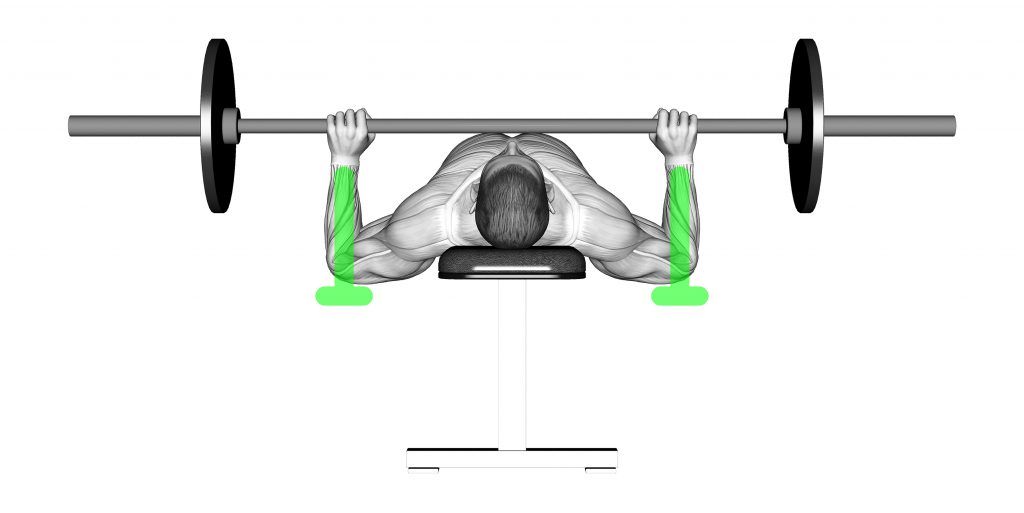
- Uneven bar path during bench press
- Hip shifting to one side under load
Catching these early can prevent strains, chronic pain, and long layoffs. It’s far easier to fix a 5% flaw now than recover from a torn muscle later.

3. Better Technique = Faster Strength Gains
Strength isn’t just muscle. It’s efficiency.
When your:
- Bar path stays vertical
- Core bracing is tight
- Tempo is controlled
- Setup is consistent
You transfer more force into the bar.
That means you lift more weight using the same muscle mass. And that leads to better progressive overload over time.
Good form doesn’t just look clean — it produces better results.
4. It Improves Mind–Muscle Awareness
Watching your own lifts teaches you what cues actually look like.
Terms like:
- “Neutral spine”
- “Drive knees out”
- “Stay tight”
- “Tuck your elbows”
Go from abstract instructions to visible corrections.
The more you watch your lifts, the better you understand your own sticking points and movement patterns. You stop guessing and start adjusting intentionally.
5. You Can Track Real Progress (Not Just Weight on the Bar)
Progress isn’t just adding 10 pounds.
It’s:
- Deeper squats
- Straighter bar paths
- Better stability
- Faster bar speed
- Cleaner lockouts
Comparing Week 1 footage to Week 12 footage can be more motivating than a new PR. You’ll see how much more efficient and controlled you’ve become.
6. It’s Like Having a Coach (Even If You Train Alone)
Recording your lifts allows you to:
- Send clips to an online coach
- Get feedback from experienced lifters
- Analyze frame-by-frame yourself
It becomes your second set of eyes.
Even one small correction — like fixing bar path or improving bracing — can add pounds to your lifts quickly.
7. It Builds Confidence Under the Bar
There’s something powerful about watching yourself hit clean reps with heavy weight. It reinforces:
- Proper technique
- Control
- Strength
- Capability
Confidence isn’t just mental. It’s built from proof.
When you see yourself execute well, you trust yourself more on the next set.
How to Film Your Lifts Properly (Without Drawing Attention)
If you’re going to record your sets, do it intentionally — and
discreetly.
A lot of people avoid filming because they don’t want to set up a tripod
in the middle of the gym or feel like everyone’s watching. That’s where
using MojoMount makes it simple. Instead of propping your phone against
a water bottle or dragging around a tripod, you can mount your phone
directly to equipment and record clean angles without attracting
attention.
Here’s how to do it right:
------------------------------------------------------------------------
SQUATS
Best angles: 45° rear angle or full side view - Mount your phone
directly to the rack using MojoMount for a stable, eye-level shot - Make
sure your full body and bar path are visible - Avoid extreme low angles
(they distort depth perception)
With a mounted setup, it looks natural — like your phone is just sitting
there, not staged for a production.
------------------------------------------------------------------------
DEADLIFTS
Best angle: Direct side view at hip height - Position the mount on a
rack, bench, or nearby equipment - Ensure the bar stays visible from
floor to lockout
This angle lets you analyze: - Spine position - Hip drive - Bar path
efficiency
No awkward floor balancing or asking strangers to film you.
------------------------------------------------------------------------
BENCH PRESS
Best angle: Side view focused on bar path and elbows - Mount at chest
height if possible - Keep the entire press — from unrack to lockout — in
frame
This helps you assess: - Elbow position - Bar path - Stability at
lockout
------------------------------------------------------------------------
A Few Non-Negotiables
- Keep your full body in frame
- Record your top working sets, not just warmups
- Compare footage weekly, not randomly
- Don’t overfilm — 1–2 key sets per lift is enough
------------------------------------------------------------------------
Why Mounted Recording Wins
Using something like MojoMount means:
- No tripod setup
- No balancing your phone on dumbbells
- No asking someone to film
- No drawing attention
It’s clean, stable, and subtle.
You don’t need professional equipment. Your phone is more than enough —
you just need the right way to position it.
Final Thoughts
Recording your lifts might feel awkward at first. But it’s one of the highest-leverage habits you can adopt in the gym.
It eliminates guesswork.
It prevents injury.
It accelerates strength gains.
It builds confidence.
If you’re serious about getting stronger, stop training blind.
Start watching yourself lift.